- GEOPOLITIKS
- Posts
- The geopolitics of the Amazon Rainforest
The geopolitics of the Amazon Rainforest
What are the stakes behind the “lungs of the planet”?

Joy Pellet
March 23, 2026
Source: Stratfor
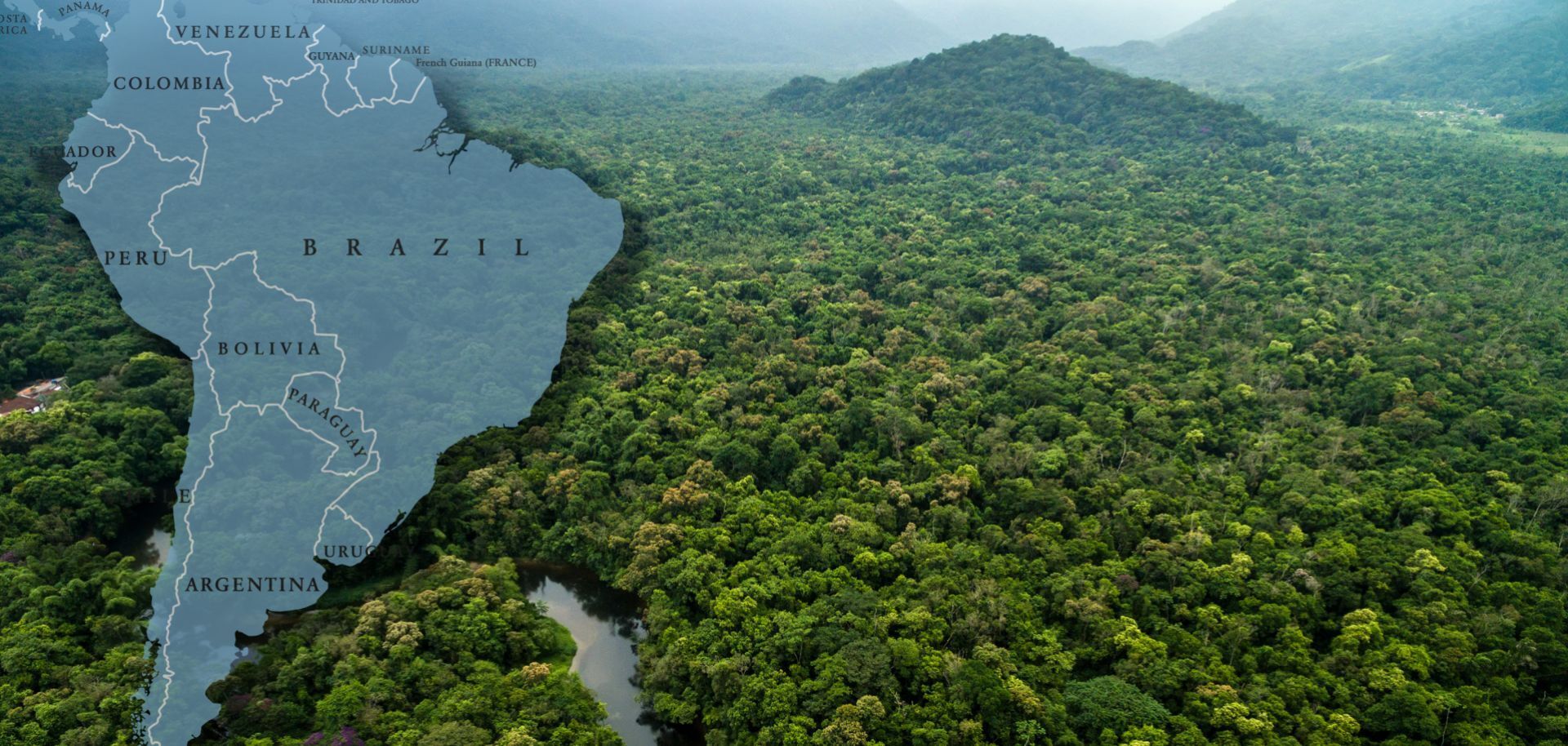
The Amazon is the world’s largest tropical forest. It covers about 5.5 million km2 . It stretches across nine states in South America. Around 60 percent of it lies in Brazil. It is often called “the lungs of the planet”. It stores big amounts of carbon and helps regulate rainfall across South America. The forest influences agriculture far beyond its borders. It also holds many resources. Because of this, decisions made in the Amazon affect global climate goals, food security, and global politics. This is why many states and NGOs outside the region pay close attention to what happens there. This forest has become a key issue in geopolitics.
National resource or global common good?
The question of sovereignty is often raised. States like Brazil insist that the Amazon is a national territory under their full control. From this point of view, foreign states have no right to dictate how the forest should be managed. Brazil often argues that developed countries destroyed their own forests during industrialization and now want to block development in the Global South. This argument is often used to reject global pressure.
At the same time, the Amazon is a global concern. Deforestation contributes to climate change. This creates tension between national sovereignty and global responsibility. States in Europe and North America, as well as global organizations, push for stronger protection. They argue this matter affects the whole planet. Tensions peaked when foreign leaders suggested internationalizing the Amazon to protect it.
Economic stakes in the Amazon
Resources also play a key role. The Amazon is rich in timber, gold, iron ore, oil, gas, and fertile land. Large-scale farming, especially cattle ranching and soy production, drives much of the deforestation. These sectors are closely linked to global markets. The demand mostly comes from China and Europe. As a result, the Amazon is deeply connected to global trade and supply chains. The forest is also a key source of water. About 20% of the world’s fresh water is in the Amazon.
Infrastructure projects add another layer. Roads, dams, and river transport projects aim to integrate the Amazon more closely into national and global economies. Supporters say these projects bring jobs and development. Critics argue that they accelerate deforestation. They say this also weakens state control and open remote areas to illegal activities.
 | [Urgent] Starlink Set For The Largest IPO In History?
|
Challenges in the Amazon
Indigenous peoples are key actors in the region. They in the Amazon, often in legally recognized territories. These lands are among the best-protected areas of the forest. Indigenous groups defend not only their way of life but also the forest itself. But they often face violence, land grabs, and weak protection from the state. Their struggle has gained global attention and support.
Illegal activities are also a problem. The weak state presence turns parts of the Amazon into grey zones. Illegal logging, mining, and drug trafficking operate across borders. These networks weaken state authority. They also fuel corruption. The Amazon is wide and spans many states. No single state can control these activities alone. This makes cooperation crucial. But it is also hard due to political differences and limited resources.
Climate change in the Amazon has moved from a long-term risk to a clear and visible problem. Average temperatures are rising. Rainfall is becoming less regular, especially during the dry season. Long and intense droughts now happen more often than in the past. These droughts weaken trees and make the forest easier to burn. At the same time, deforestation reduces the forest’s ability to create rain by releasing water into the air. This creates a vicious circle. Fewer trees mean less rain and less rain leads to more forest damage. Scientists warn that if this trend continues, large areas of the Amazon could pass a tipping point. It could slowly change into dry savannah. This would release large amounts of carbon into the atmosphere. This would make global climate change even worse.
Climate diplomacy has made the Amazon even more central to global politics. Protecting the forest is seen as a way to fight climate change. Financial mechanisms, such as climate funds, aim to pay states to reduce deforestation. But these systems raise questions about control, transparency, and fairness. Who decides how the money is used?
The Amazon is far more than a natural ecosystem. It is a space where climate change, development, and sovereignty intersect. The geopolitics of the Amazon reflect a broader struggle between national interests and global challenges.
Decoding geopolitics isn’t a job. It’s survival.
Joy